
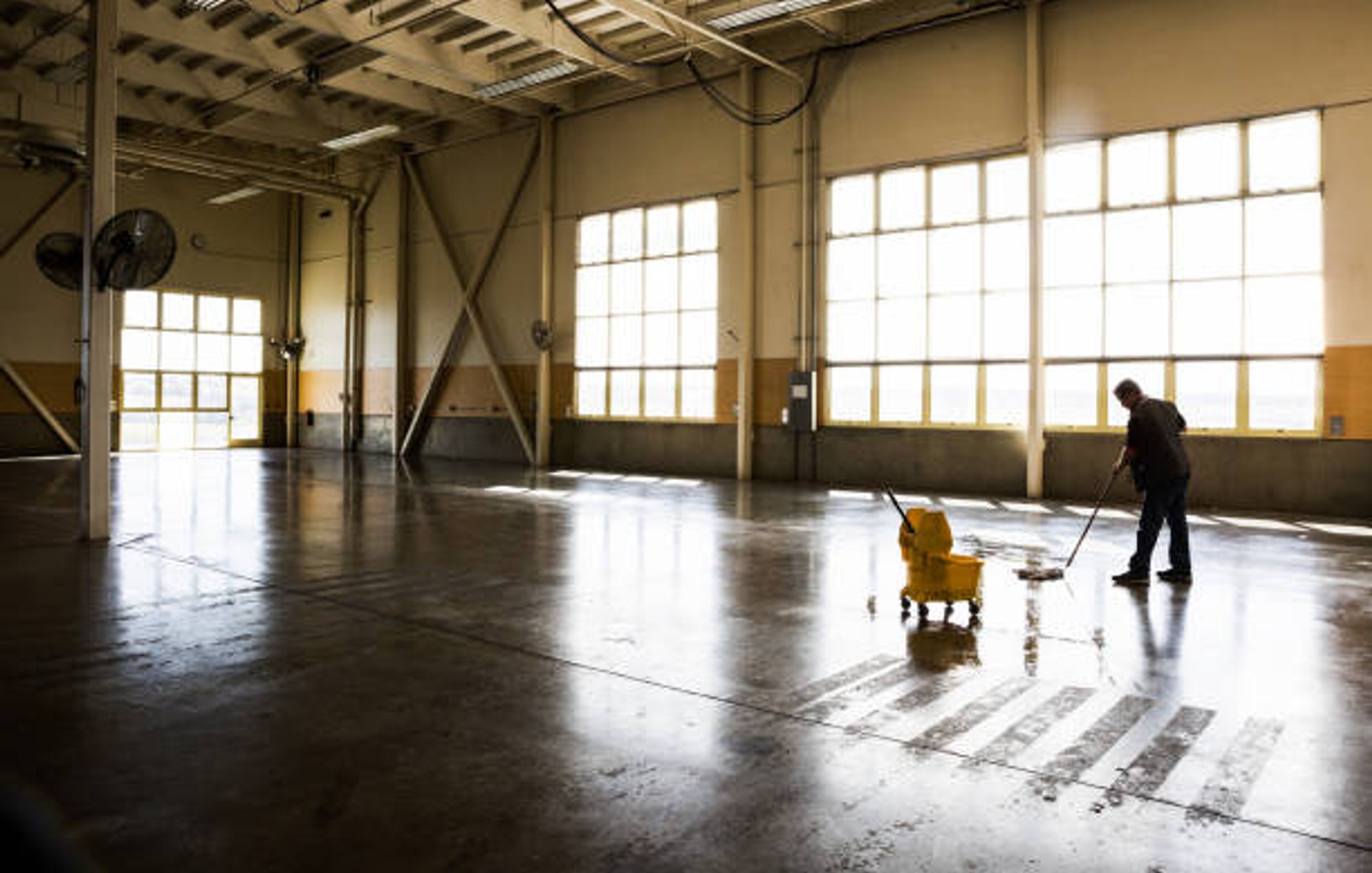
Warehouses play an important role in Perth’s supply chain, supporting industries such as manufacturing, logistics, retail, construction and distribution. With staff, machinery, stock and vehicles moving throughout the day, these facilities can quickly accumulate dust, dirt, packaging waste and other contaminants. Maintaining a clean and organised warehouse is essential for workplace safety, operational efficiency and the protection of stored goods.
Professional Warehouse Cleaning in Perth helps businesses maintain hygienic working conditions while keeping storage areas, loading docks, walkways and operational spaces in good condition. A well-planned cleaning routine can also reduce potential hazards, improve staff comfort and create a more professional environment for employees, suppliers and visitors.
For business owners and facility managers, understanding warehouse cleaning requirements makes it easier to choose the right cleaning schedule, identify priority areas and maintain consistent standards. This guide explores the benefits of professional warehouse cleaning, essential cleaning tasks and practical considerations for Perth businesses.
Why Is Professional Warehouse Cleaning Important?
Warehouses experience different cleaning challenges depending on their size, layout, stock and daily operations. Dust can settle on shelving and equipment, while forklift traffic may leave marks on floors. Waste materials and spills can also create hazards if they are not addressed promptly.
A structured cleaning programme helps businesses manage these challenges before they affect everyday operations.
1. Improve Workplace Safety
Safety is a major consideration in busy warehouse environments. Dust, loose packaging, liquid spills and obstructed walkways can increase the risk of slips, trips and falls.
Regular cleaning helps keep pedestrian paths clear, removes waste from operational areas and allows potential hazards to be identified earlier. Particular attention should be given to loading bays, entrances, staff facilities and areas used by forklifts or other machinery.
Cleaning activities should be coordinated with warehouse supervisors to minimise disruption and ensure that equipment and restricted areas are handled appropriately.
2. Protect Stock and Equipment
Dust and accumulated debris can affect certain products, packaging materials and equipment. In warehouses storing sensitive goods, poor housekeeping may contribute to contamination or product damage.
Cleaning shelves, storage areas, floors and accessible surfaces helps maintain a suitable environment for inventory. Regular maintenance can also prevent dirt from building up around machinery, ventilation openings and workstations.
The cleaning method should reflect the products being stored, manufacturer recommendations and any applicable hygiene requirements.
3. Support Productivity and Staff Wellbeing
A clean workplace is easier to navigate and manage. Employees can locate materials more efficiently when storage areas are organised, waste is removed regularly and walkways remain unobstructed.
Good housekeeping also contributes to a more comfortable working environment by reducing avoidable dust and keeping shared facilities clean.
When staff understand their responsibilities and professional cleaners maintain the wider facility, businesses can establish more consistent workplace standards.
Essential Areas to Include in a Warehouse Cleaning Checklist
An effective cleaning plan should cover more than the main warehouse floor. Different areas require different methods and cleaning frequencies based on their use, traffic levels and risk factors.
Warehouse Floors and Walkways
Floors often collect dust, dirt, tyre marks and packaging debris. High-traffic routes may require frequent sweeping or mechanical scrubbing, while spills should be managed promptly using suitable procedures.
Cleaning teams should pay attention to pedestrian walkways, forklift routes, corners and areas beneath accessible workstations. Floor cleaning must be scheduled safely, with wet surfaces clearly identified and appropriate access controls in place.
Storage Racks and Shelving
Shelving and racking can collect dust over time, particularly in facilities with frequent stock movement or high levels of airborne particles.
Accessible surfaces should be cleaned according to the facility's needs. Work at height and cleaning around elevated storage systems require suitable equipment, training and safety procedures. Cleaners should never climb racking or interfere with stored goods to reach inaccessible areas.
Loading Docks and Dispatch Zones
Loading docks are exposed to outdoor dirt, vehicle traffic, packaging waste and changing weather conditions. These areas can become messy quickly because deliveries and dispatch activities often occur throughout the day.
Routine cleaning should include removing loose debris, managing waste, cleaning accessible surfaces and checking for spills. Maintaining clear access routes is particularly important in areas shared by pedestrians and vehicles.
Staff Amenities and Common Areas
Break rooms, kitchens, toilets, change rooms and office areas within warehouses need regular attention. These spaces are used throughout the day and can require a different cleaning approach from industrial work zones.
Tasks may include disinfecting frequently touched surfaces, cleaning sinks and toilets, wiping tables, emptying bins and replenishing consumables where included in the service agreement.
Waste Collection and Disposal Areas
Waste management is an important part of warehouse housekeeping. Cardboard, plastic wrapping, pallets and general rubbish can accumulate rapidly during receiving, packing and dispatch.
Waste should be separated and removed in line with the business's procedures and applicable disposal requirements. Keeping waste collection points organised also helps reduce obstruction and makes routine cleaning easier.
How Often Should a Warehouse Be Cleaned?
There is no single cleaning schedule suitable for every warehouse. The right frequency depends on operational hours, the number of employees, vehicle movements, stored materials and the type of work performed.
A practical cleaning schedule may include the following tasks:
- Daily: Remove rubbish, address spills, clean amenities, maintain walkways and tidy high-traffic areas.
- Weekly: Carry out more detailed floor cleaning, clean accessible shelving and inspect loading zones.
- Monthly: Review difficult-to-reach accessible areas, inspect recurring dirt build-up and assess the effectiveness of the cleaning programme.
- Periodically: Arrange specialised floor scrubbing, high-level dust removal or other industrial cleaning tasks when required.
These frequencies are general guidelines rather than fixed requirements. Facilities handling food products, chemicals, sensitive inventory or regulated materials may need additional controls and more frequent cleaning.
A professional cleaning provider can help develop a schedule that suits the warehouse's operating hours and site-specific risks.
Choosing the Right Warehouse Cleaning Provider in Perth
Selecting a suitable cleaning company involves more than comparing prices. Businesses should look for a provider that understands industrial environments, communicates clearly and can deliver consistent results.
Assess Experience and Service Capabilities
Warehouse cleaning can involve large floor areas, heavy traffic, high-level surfaces and operational restrictions. Ask potential providers about their experience with similar facilities and whether they can manage the specific tasks your site requires.
A provider should also be able to explain its cleaning methods, equipment, staffing arrangements and approach to quality checks.
Check Safety Procedures and Insurance
Cleaning work inside an active warehouse must be planned carefully. Confirm that the provider has appropriate insurance, suitable staff training and documented safety procedures.
The cleaning team should understand site induction requirements, personal protective equipment, chemical handling and coordination with warehouse operations. Any work involving machinery, elevated areas or restricted zones should be managed by appropriately trained personnel.
Request a Clear Cleaning Scope
A detailed service agreement helps avoid misunderstandings. It should identify which areas will be cleaned, how often tasks will be completed and which responsibilities remain with the warehouse operator.
It is also useful to establish reporting arrangements, procedures for urgent spills and a process for raising concerns about service quality.
Consider Flexible Scheduling
Some warehouses operate around the clock, while others have quieter periods between shifts. Cleaning outside peak operational hours may reduce disruption, but the schedule must still account for access, security and safety requirements.
Choose a provider that can coordinate cleaning around receiving, dispatch and other essential activities.
Businesses seeking Commercial Cleaning Services in Perth should also confirm whether their chosen provider can support both warehouse spaces and associated offices, amenities or other commercial areas.
Warehouse Cleaning Challenges for Perth Businesses
Perth warehouses can face a range of environmental and operational challenges. Local conditions and the nature of the business should influence the cleaning approach.
Dust and Outdoor Debris
Dry conditions, vehicle movements and open loading areas can introduce dust and debris into warehouse interiors. Entry points and high-traffic routes may therefore need more frequent attention.
Using suitable dust-control methods and maintaining entrance areas can help prevent dirt from spreading throughout the facility.
Large Floor Areas and Heavy Traffic
Distribution centres and industrial warehouses may cover substantial floor space. Manual cleaning alone may be inefficient for larger facilities, making suitable mechanical floor-cleaning equipment useful where appropriate.
The equipment selected should match the floor surface, available space and type of contamination.
Maintaining Operations During Cleaning
Cleaning must not create unnecessary delays or introduce additional hazards. Coordination between cleaning staff and warehouse management helps determine which areas can be cleaned safely and when access restrictions are necessary.
Clear communication is particularly important around loading docks, forklift routes and active production or packing areas.
Supporting Different Industrial Requirements
A general storage warehouse has different needs from a food distribution centre, manufacturing facility or chemical storage site. Cleaning products, methods and waste-handling procedures must reflect the materials present and any applicable workplace or industry requirements.
Where contamination or hazardous substances are involved, specialist advice and appropriate controls may be necessary before cleaning begins.
The Benefits of Professional Warehouse Cleaning Services
Hiring a professional cleaning team can help businesses establish a consistent approach to housekeeping while allowing employees to focus on their primary responsibilities.
Key benefits include:
- Consistent cleaning standards: Planned tasks and quality checks help maintain cleanliness across the facility.
- Improved housekeeping: Regular waste removal and surface cleaning help keep operational areas organised.
- More efficient cleaning: Suitable equipment and established procedures can make large-scale cleaning more practical.
- Flexible service arrangements: Cleaning schedules can be tailored to shift patterns and business requirements.
- Better visibility of maintenance issues: Routine cleaning can help reveal leaks, damaged surfaces or recurring problem areas that require attention.
Professional cleaning is most effective when combined with clear internal procedures, prompt spill reporting and ongoing housekeeping by warehouse staff.
For businesses looking for a tailored solution, Keen Cleaning Perth can be considered as a local provider to discuss warehouse and commercial cleaning requirements, service scope and scheduling options.
Building a Long-Term Warehouse Cleaning Plan
A successful cleaning programme should be reviewed regularly rather than treated as a one-off task. Business owners and facility managers can start by identifying high-risk areas, reviewing existing cleaning procedures and documenting the tasks required in each zone.
It is also helpful to maintain a cleaning log, record recurring issues and gather feedback from staff. These steps make it easier to identify gaps and adjust the schedule as operations change.
For facilities in Perth and surrounding commercial and industrial areas, including Welshpool, Kewdale, Osborne Park and Malaga, the cleaning plan should reflect the actual site layout, traffic patterns and operational requirements.
Working with a reliable provider of Commercial Cleaning Services in Perth can help businesses establish a practical cleaning routine that supports workplace safety, cleanliness and day-to-day efficiency.
Conclusion
Professional warehouse cleaning is an important part of maintaining a safe, organised and productive business environment. From warehouse floors and storage racks to loading docks, amenities and waste collection areas, each space requires appropriate attention to remain clean and functional.
By developing a suitable cleaning schedule, choosing trained professionals and reviewing cleaning standards regularly, Perth businesses can reduce avoidable housekeeping risks and maintain better control over their facilities.
Whether you operate a distribution centre, storage warehouse or manufacturing facility, investing in a structured cleaning programme can support your staff, protect your workplace and contribute to smoother daily operations.
Frequently Asked Questions
1. What does professional warehouse cleaning include?
Professional warehouse cleaning may include floor sweeping and scrubbing, waste removal, cleaning accessible shelving, maintaining loading docks, cleaning staff amenities and addressing high-traffic areas. The exact scope depends on the facility and its operational requirements.
2. How often should a warehouse in Perth be cleaned?
Most warehouses benefit from daily housekeeping and regular scheduled cleaning. High-traffic facilities or sites with specific hygiene requirements may need more frequent attention, while deep cleaning can be scheduled according to site conditions.
3. Can warehouse cleaning be completed outside business hours?
Yes. Where access and staffing arrangements permit, cleaning can often be scheduled before or after operating hours or during quieter shifts. The schedule should be agreed upon with site management to minimise disruption and maintain safety.
4. How can businesses choose a reliable warehouse cleaning company?
Businesses should assess relevant experience, insurance, staff training, safety procedures, equipment, service flexibility and quality-control processes. A written scope of work and clear communication arrangements are also important.
5. Why should Perth businesses invest in professional warehouse cleaning?
Professional cleaning helps maintain orderly workspaces, manage dust and debris, support workplace safety and keep amenities hygienic. A planned cleaning programme can also make it easier to identify maintenance concerns and maintain consistent facility standards.